Who Determines the Efficacy of Pesticides?
Introduction: Pesticide efficacy is not determined solely by the concentration of the active ingredient. The purity of the technical material, adjuvant quality, grinding technology, target pest/disease/weed, application timing, temperature, humidity, light, and soil conditions can all affect final performance. The following content has been reorganized from the original PPT into a format suitable for publication on a company website.
1. The Product Itself: Active Ingredient Content Is Not the Only Standard
Many people primarily look at active ingredient content when purchasing pesticides and assume that a higher content always means better efficacy. However, the original presentation points out that actual efficacy is also closely related to technical material purity, adjuvant quality, and grinding technology.
1.1 Technical Material Purity: The Basis for Effective Utilization
A high-content technical material with relatively low purity may contain more impurities, which can affect formulation stability and consume adjuvants. High-purity technical material allows the adjuvant system to perform more effectively. Therefore, product evaluation should not focus only on the content number shown on the label, but also on the actual utilization efficiency of the active ingredient.
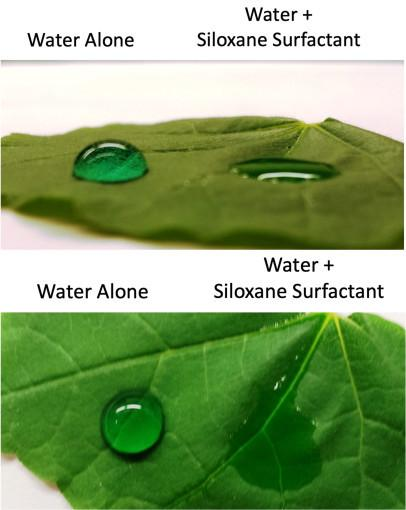
1.2 Adjuvants: Improving Penetration, Spreading and Absorption
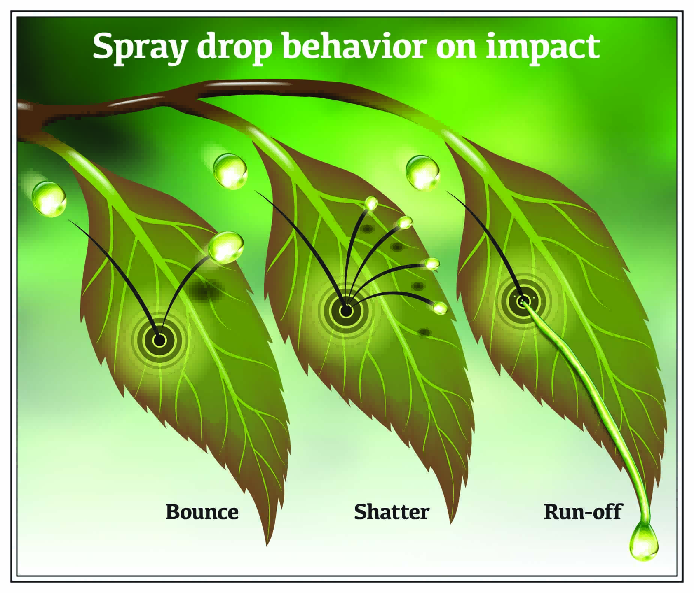
High-quality adjuvants can improve spray penetration, enhance spreading and coverage on leaf surfaces, and help active ingredients be absorbed and translocated more efficiently by crops.
1.3 Grinding Technology: Particle Size Affects Distribution and Stability
Traditional grinding may result in uneven particle sizes, faster sedimentation and uneven spray distribution. Advanced grinding technology focuses on fine and uniform particles with stable suspension, helping achieve more uniform spray coverage.
2. The Target: The Same Pesticide May Perform Differently Depending on What and When You Treat
The same pesticide may perform differently against different pests, diseases and weeds, as well as at different developmental stages. The original presentation uses examples of insecticides, fungicides and herbicides to demonstrate the importance of selecting the right target and the right control window.
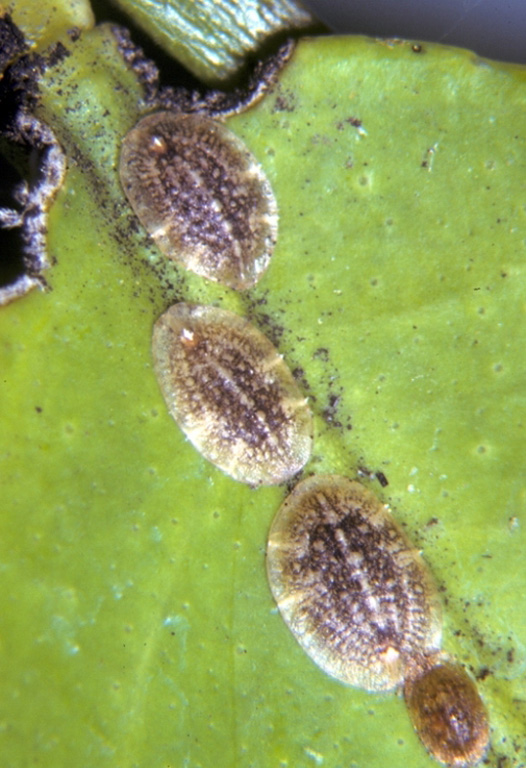
2.1 Spirotetramat: Timing Can Strongly Affect Performance
Using scale insects as an example, the presentation points out that treatment at the early stage is more favorable for contact and action. At later stages, a thicker waxy protective layer can make contact and penetration more difficult.
2.2 Hymexazol: Emphasis on Preventive Timing
The original presentation uses hymexazol as an example of a soil-applied fungicide and emphasizes the difference between preventive treatment before disease establishment and treatment after the pathogen has already invaded the crop.
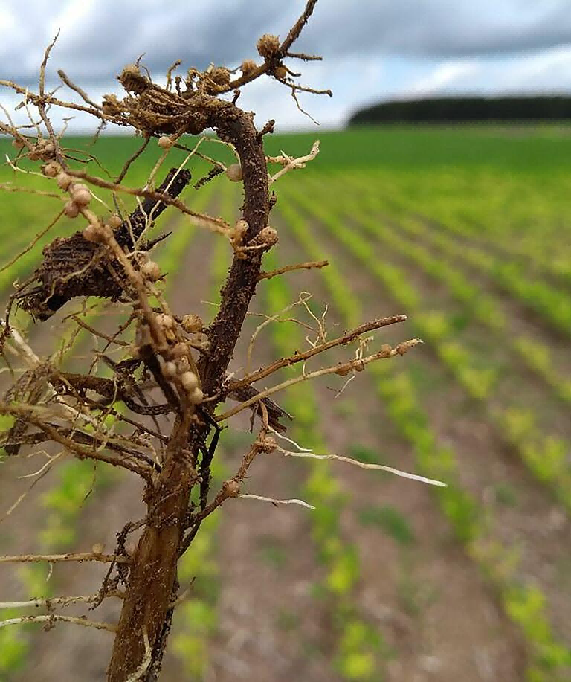
2.3 Glyphosate: Broad-Spectrum Does Not Mean Equally Effective Against Every Weed
The presentation notes that glyphosate provides strong control of many common weeds, but performance may decline against some weeds with vigorous root systems, strong regrowth capacity, or a high degree of lignification.
3. Environmental Conditions: Temperature, Humidity, Light and Soil All Affect Efficacy
Even when the product and target are correctly matched, differences in application conditions can lead to differences in control performance. The original presentation focuses on four environmental variables: temperature, humidity, light and soil.
3.1 Temperature: Different Pesticides Respond Differently to Temperature
The presentation broadly categorizes some pesticides according to positive or negative temperature coefficients and points out that temperature affects not only efficacy but also crop injury risk. In actual production, application timing should be determined according to the product label, crop and local climatic conditions.
3.2 Humidity: Beneficial for Some Disease-Control Situations, but Also a Potential Risk
Moist conditions can favor spore germination of some fungal diseases. However, excessive moisture may increase the risk of localized leaf injury, while rainfall shortly after application may reduce pesticide performance.
3.3 Light: It Can Cause Photodegradation and Also Affect Pest Activity
Different pesticides respond differently to light. At the same time, the activity patterns and hiding locations of pests such as noctuid moths and thrips can change with light conditions. Therefore, application timing should take both pesticide characteristics and pest activity into account.
3.4 Soil: Organic Matter, Moisture and pH Are Important Factors
For soil-applied products, soil organic matter, moisture status and acidity/alkalinity can affect pesticide behavior in the soil.
4. Key Conclusion: Pesticide Efficacy Is the Result of Multiple Factors Working Together
Pesticide Efficacy = Product Quality × Target × Environmental Conditions
· Choose the right product: Do not judge products by active ingredient content alone; also consider technical material purity, adjuvants and grinding technology.
· Treat the right target: Identify the pest, disease or weed and pay attention to its developmental stage and optimal control window.
· Choose the right application conditions: Consider temperature, humidity, light and soil conditions together.
Conclusion: Scientific pesticide use is not simply about choosing a product. It is also about identifying the target, selecting the appropriate application timing, and considering the environmental conditions. In actual production, always follow the registered product label and technical documentation, and develop application programs according to the local crop, target and environmental conditions.